Mental health
Our impact last year
- 34k people received support or treatment for mental health conditions
Mental health conditions are the world’s leading cause of disability, affecting over 450 million people at any time. 80% of people with mental illness live in low or middle-income countries, where most have little or no access to treatment or support and many face extreme poverty, stigma, discrimination and abuse.
Too often, people living in poverty with mental illness are seen as broken, cursed, somehow less than human. Misunderstanding, stigma and exclusion, combined with a lack of support and treatment, pulls whole families deeper into poverty.
How we help
CBM is the world’s leading organisation tackling mental health and disability across developing countries. For over 15 years, CBM has been working to improve the lives of people with mental health conditions in the worlds’ poorest places. The merger of mental health NGO BasicNeeds with CBM UK in 2017 further increased our technical expertise and capacity.
Working in partnership with communities, health authorities and people with lived experience of mental health conditions, we improve access to mental health support and tackle the exclusion faced by people with psychosocial disabilities (disabilities caused by mental health conditions).
Our life-changing community mental health work includes:
- providing vital support to people experiencing mental health conditions and their families, for example through setting up peer-support groups;
- improving access to community-based treatment by training health and community workers to identify and understand mental health conditions;
- supporting people with psychosocial disabilities (those caused by mental health conditions) and their families to earn a living, for example through vocational training and support to set up small businesses;
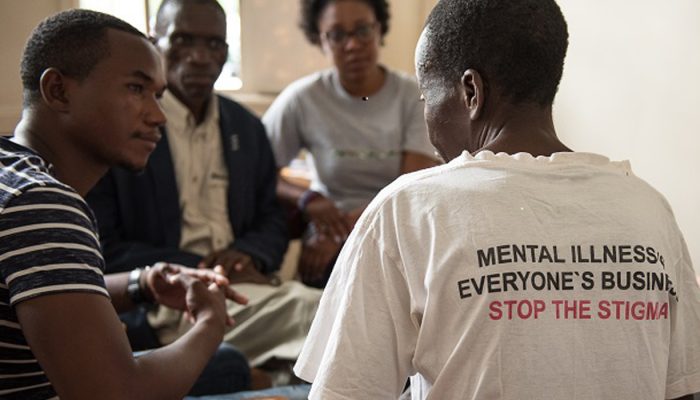
- tackling stigma and discrimination, including by training and supporting people with lived experience of mental health conditions to share their stories and promote understanding in their communities;
- improving access to counselling and psychological support at times of humanitarian crisis;
- using our expertise and understanding to train and support other organisations to address mental health and include people with psychosocial disabilities in development and humanitarian work – for example through the CBM Global Community Mental Health Good Practice Guides.
Read more about our mental health approach and priorities:
- CBM Global strategy for Community Mental Health
- Policy Briefing Mental Health: Creating a Global Enabling Environment
- Climate change, mental health and wellbeing – examples of practical inclusive practices
In action
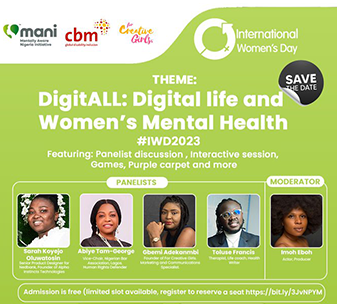
Bridging the Gaps: Strengthening mental health support for young people in Nigeria
Together with our partner Mentally Aware Nigeria (MANI), we’re working to strengthen mental health support available…
Read more
Improving mental health support for people with Neglected Tropical Diseases
Our research project, in partnership with The Leprosy Mission Nigeria and University of Jos, will improve support for…
Read more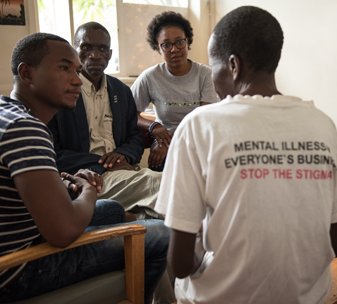
Improving support for people with mental health problems and their families in Malawi
People with mental health conditions in Malawi often face stigma, prejudice and abuse. They struggle to access…
Read more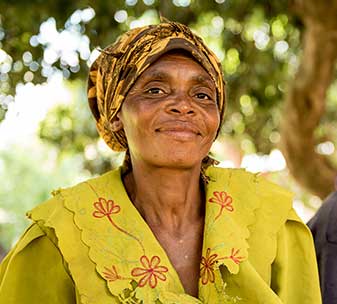
Mental health in sub-Saharan Africa: researching effective approaches in partnership with people affected by mental illness
People with psychosis and their families are among the most marginalised and vulnerable groups in society…
Read more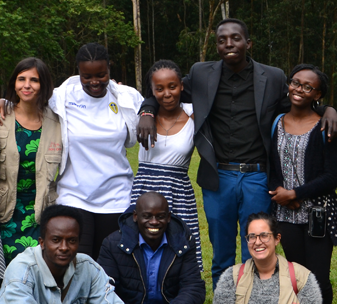
Mental health support for students in Kenya
Research in Kenyan government universities has identified high levels of depression and anxiety among students…
Read more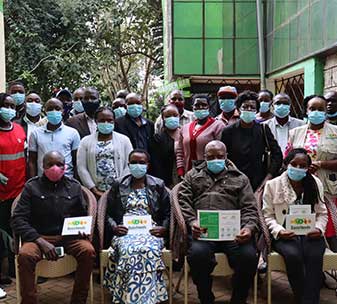
Providing mental health support in Kenya during COVID-19
COVID-19 restrictions have had a devastating effect on many people’s mental well-being in Kenya…
Read moreTransforming lives
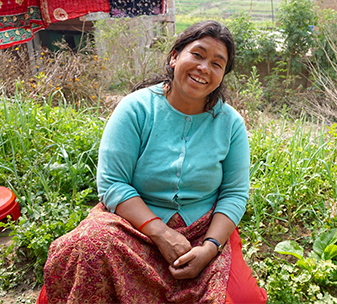
Bimala
“I tell everyone who I think is suffering in silence to come forward and seek support and treatment”
Read more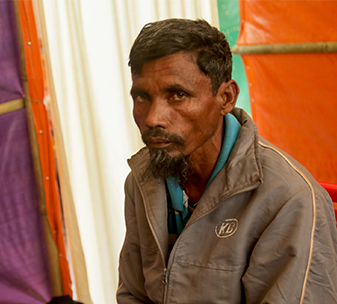
Kamal
“I will never forget the smell of the fires, the screams, these horrible screams. I see these sequences again and again…”
Read more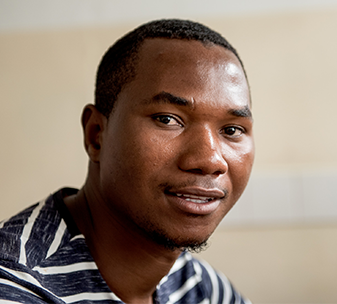
Mphatso
“If you are in a group they teach you not just to sit at home, they teach you how to cope with treatment and do work”
Read moreNews
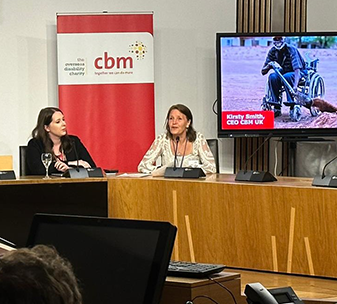
CBM UK holds event in Scottish Parliament: “Climate Change, Disability Inclusion and Wellbeing in International Development”
Read full storyBlog